Window Tinting
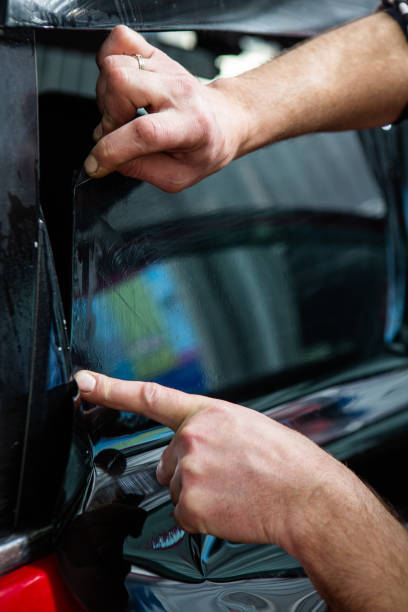
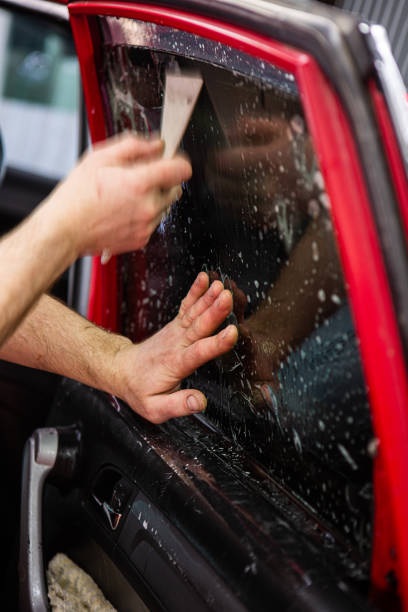
USA Collision has been tinting car, truck and SUV windows in Phoenix since the early 1990s. Professional window film keeps a parked car from turning into an oven under the Arizona sun, blocks the UV rays that fade dashboards and upholstery, cuts glare on your commute and adds privacy for you and your passengers. Every film we install carries a manufacturer’s guarantee that lasts as long as you own your vehicle.
Why Tint Your Windows in Phoenix
Window tint is one of the most cost-effective upgrades you can make to a vehicle, and few places make the case for it like Phoenix. Quality film:
- Keeps the cabin cooler by reducing the heat that comes through the glass, so the air conditioning has less work to do.
- Blocks UV rays that fade and crack dashboards, seats and trim, and that reach your skin on every drive.
- Reduces glare from the sun and from headlights at night.
- Adds privacy and security by making it harder to see into the vehicle.
- Improves appearance with a clean, uniform look.
Want the inside and outside looking as good as the glass? Many customers pair tinting with a full auto detail.
Choosing a Tint Shade
Before we tint any vehicle, we help you choose a shade. The right one depends on how much heat and glare you want to block, how dark you want the windows to look, and what the law allows on each window.
Arizona window tint rules. Arizona law (A.R.S. 28-959.01) sets different limits for different windows:
- Front side windows: the film must let through about 33% of visible light (33% plus or minus 3%), with no more than 35% reflectance.
- Rear side windows and back window: no darkness limit, as long as reflectance stays at 35% or less. If the back window is tinted, the vehicle needs outside mirrors on both sides.
- Windshield: tint is only allowed as a strip across the top of the windshield, and it cannot be red or amber.
Rules differ from state to state, so if your vehicle is registered somewhere else, check that state’s limits before you choose. Arizona also offers a medical exemption for darker film with a physician’s statement.
Tint darkness is measured in VLT, or visible light transmittance: the percentage of visible light the film lets through. A 50% film lets in half the light, a 35% film is noticeably darker, and anything around 5% is limousine-dark. The higher the number, the lighter the film. Bring your vehicle by and we will show you film samples on the glass so you can see the difference before you decide. Call now for a free quote, or click on the link below.